
Introduction: The Dao of Efficiency in Qigong
In the modern pursuit of health and wellness, the challenge often lies in reconciling the demands of a fast-paced life with the need for profound, restorative practice. Traditional Chinese Medicine (TCM) and Daoist philosophy have long offered the path of Yang-sheng (养生), the art of nourishing life, as a comprehensive system for achieving vitality and longevity. Central to this tradition is Qigong (气功), the cultivation of vital energy (Qi).
Among the myriad forms of Qigong, Zhan Zhuang (站桩功), or “Standing Pole Qigong,” stands out as one of the most potent and foundational practices. It is a deceptively simple form of standing meditation, often described as “standing like a tree,” yet its internal complexity and transformative power are immense. For many, the commitment of time required for deep practice can be a barrier. This is where the extraordinary method of the Unnamed Standing Pole (Wuming Zhan Zhuang) emerges, offering a profound, high-efficiency practice condensed into a mere six minutes a day.
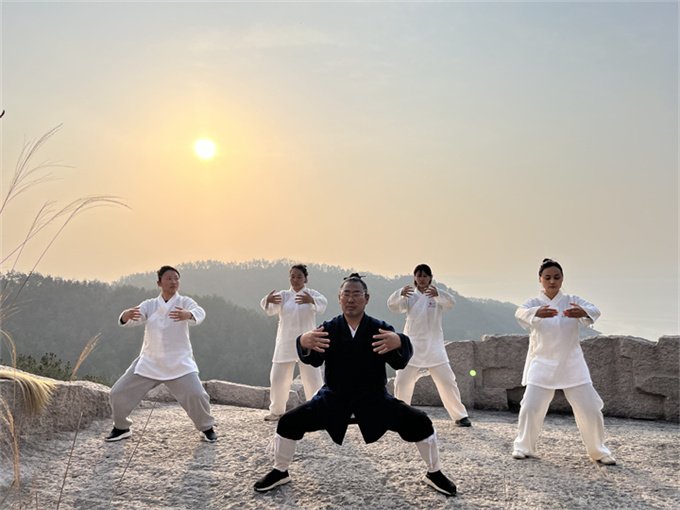
This article, drawing upon both classical texts and contemporary research, will introduce the fundamentals of Zhan Zhuang, delve into the unique history and methodology of the Unnamed Standing Pole, and explore the powerful benefits that make this six-minute practice a secret weapon for health, resilience, and spiritual cultivation.
I. Zhan Zhuang: The Foundation of Internal Arts
Zhan Zhuang is not merely an exercise; it is a method of internal training that cultivates stillness to generate movement, and relaxation to build strength. It is the cornerstone of many internal martial arts, such as Yiquan, Xingyiquan, and Taijiquan, but its primary purpose is the cultivation of health and internal energy.
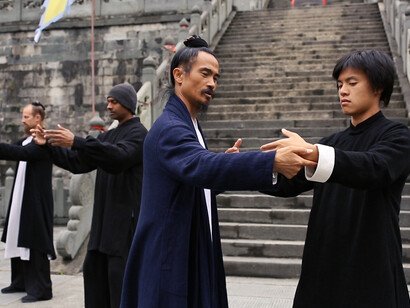
The practice involves holding specific, seemingly static postures for an extended period. This stillness is a crucible for internal change. By aligning the body’s structure, relaxing the muscles, and calming the mind, the practitioner creates an optimal environment for the smooth and abundant flow of Qi and blood [1]. The sustained, relaxed tension in the posture works to open the joints, stretch the tendons, and strengthen the fascia, which are often neglected in conventional exercise.
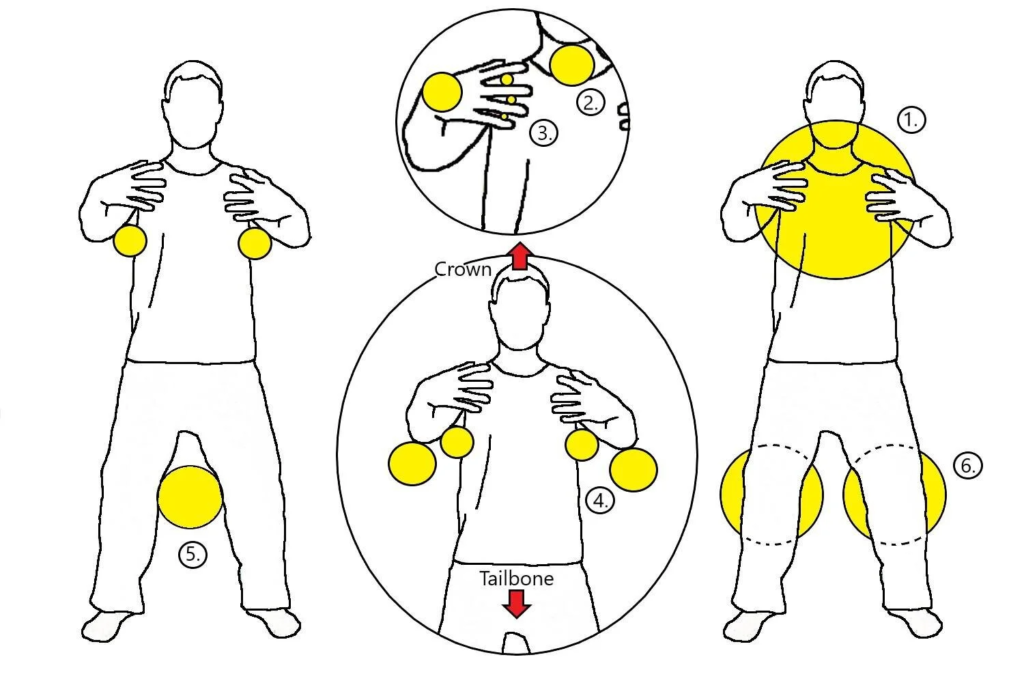
The foundational principle of Zhan Zhuang is rooted in the wisdom of the Huangdi Neijing (Yellow Emperor’s Internal Classic), which states:
“Sufficient genuine Qi inside the body will prevent invasion of pathogenic factors.”
Zhan Zhuang is the direct method for ensuring this sufficiency of Zheng Qi (正气), or Genuine Qi, thereby fortifying the body’s natural defenses against illness and promoting a state of robust health and inner balance.
II. The Lineage and Philosophy of the Unnamed Standing Pole
The Unnamed Standing Pole, or Wuming Zhuang 无名桩 , is a practice distinguished by its remarkable efficiency and its rich, yet humble, lineage. Its history traces back to the Qing Dynasty, suggesting a profound depth of knowledge refined over centuries.
A. A Legacy of Martial and Medical Mastery
The tradition of this specific practice can be traced through a fascinating line of masters:
- Liu Jinbiao (刘金镖): The practice originated with a practitioner who was a monk at the Shaolin Temple during the Daoguang era. He later served as an imperial bodyguard during the Xianfeng reign, earning the nickname “Liu Jinbiao” (Golden Dart Liu) for his martial prowess and his success in never losing a guarded item. He was a master of both martial arts and medical treatments, embodying the ideal of a Wu-Yi Shuang Xiu (武医双修), or one who cultivates both martial and medical skills. He lived to be nearly a hundred years old, passing the method to his disciple in 1925.
- Chen Youzhang (陈尤章): Liu Jinbiao’s successor, Chen Youzhang, was a martial coach for the 19th Route Army of the Kuomintang. After the Battle of Shanghai, he continued to practice and teach the art in the civilian world. His appearance—looking significantly younger than his age—served as a powerful testament to the efficacy of the practice.
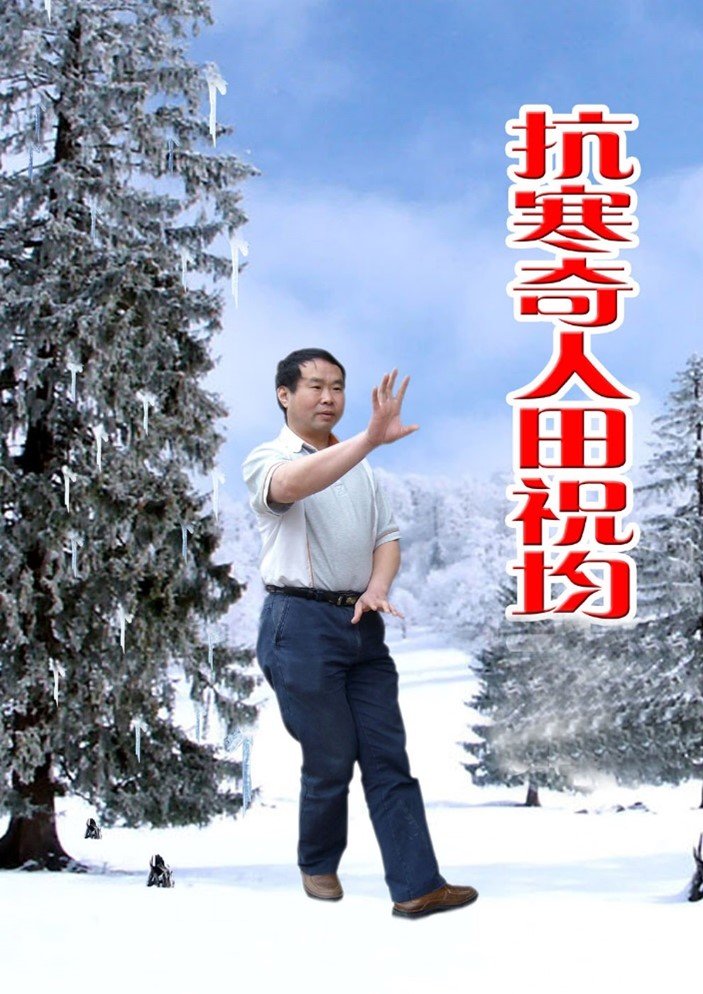
- Master Tian Zhujun (田祝均): The current popularizer of the Unnamed Standing Pole, Master Tian began his study in 1982. His personal journey from a sickly childhood, plagued by chronic ailments like chronic gastroenteritis, migraines, and severe frostbite, to a state of vibrant health is a compelling narrative of the practice’s healing power. His personal transformation, which saw all his chronic conditions disappear within five to six years of dedicated practice, cemented his belief that “the human body has its own great medicine, which is stronger than taking medicine or injections.” Master Tian is famously known for his ability to resist extreme cold, often seen wearing only a T-shirt in the depths of winter, a direct result of the internal heat and vitality cultivated by the practice.
B. The Philosophy of “Unnamed Pole”
The name itself, “Unnamed Standing Pole 无名桩,” carries a profound philosophical weight, echoing the opening lines of the Dao De Jing: “The Dao that can be told is not the eternal Dao. The name that can be named is not the eternal name.”
The practice is deliberately left unnamed to prevent practitioners from becoming attached to a label or a fixed concept. The true goal is not to master a form, but to achieve a state of internal harmony and self-healing. By remaining “unnamed,” the practice encourages the student to approach the true way to fitness through wisdom and sudden enlightenment, rather than being bound by rigid rules. It is a call to find one’s own uniquely appropriate path to health through persistent, mindful practice.
III. The Six-Minute Miracle: Methodology of the Unnamed Standing Pole
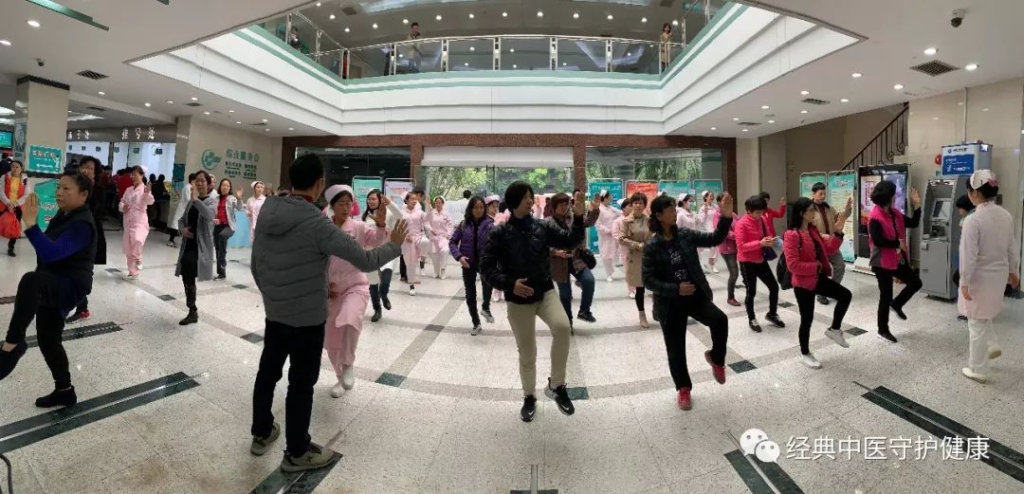
The most striking feature of the Unnamed Standing Pole is its brevity. The entire sequence is designed to be completed in just six minutes, making it an ideal practice for busy professionals, drivers, and anyone with limited time. This efficiency is achieved through a highly concentrated and balanced set of movements.
A. The Core Principles
The practice champions three core elements that subvert conventional exercise concepts:
| Principle | Description | Rationale |
| Valuing Efficiency | Achieving maximum internal effect in minimum time (6 minutes). | Overcomes the time barrier for busy modern life. |
| Challenging Bodily Limit | The postures are designed to be challenging to maximize the internal response. | Stimulates deep physiological and energetic changes quickly. |
| Ensuring Appropriateness | The practice is adaptable; duration can be reduced for the elderly or infirm. | Makes the practice accessible and safe for all ages and conditions. |
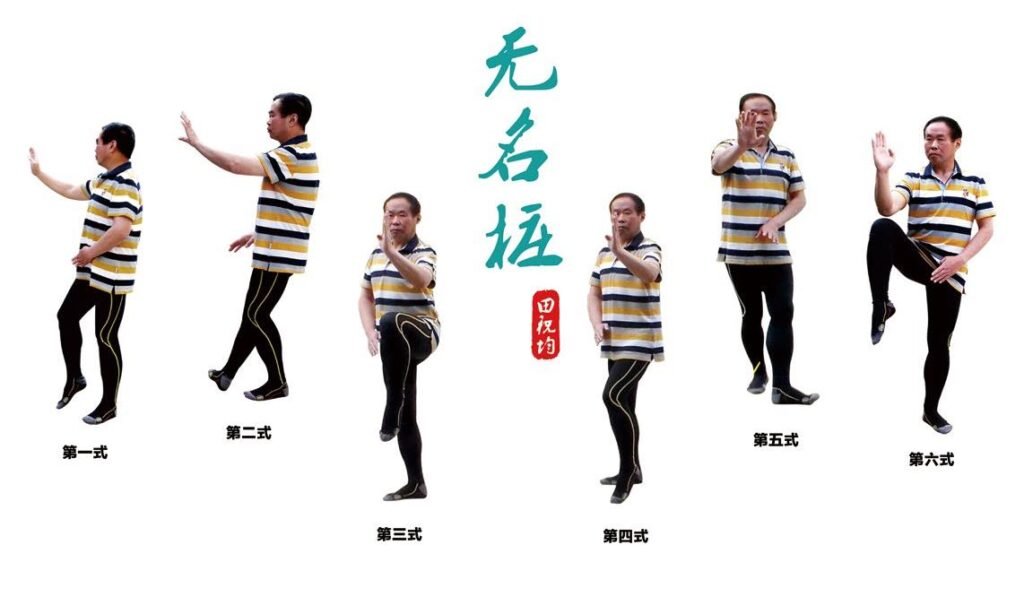
The exercise is structured around three basic movements, which, when performed symmetrically on both the left and right sides, result in a total of six movements. This emphasis on symmetry and balance is a cornerstone of TCM, ensuring a harmonious integration of Yin and Yang, motion and quietness.
B. The Six Movements: A Detailed Guide
The six movements are designed to engage and regulate the body’s entire energetic system, focusing on the nine major joints and twenty meridians.
| Movement | Description | Key Postural Details | Energetic Focus |
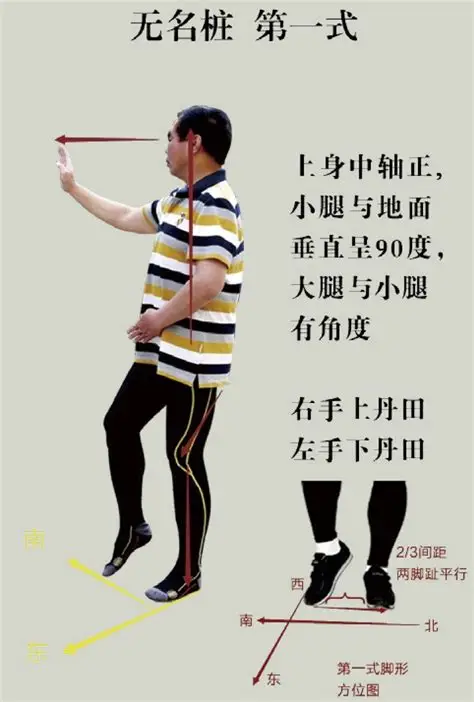
| Movement 1 | Basic Stance (Left Side) | Upper body axis straight. Right hand at Upper Dantian, Left hand at Lower Dantian. Left leg forms a 90-degree angle with the ground; Right foot slightly touches the ground (2/3 distance). | Integration of the Three Dantians, initial structural alignment. |
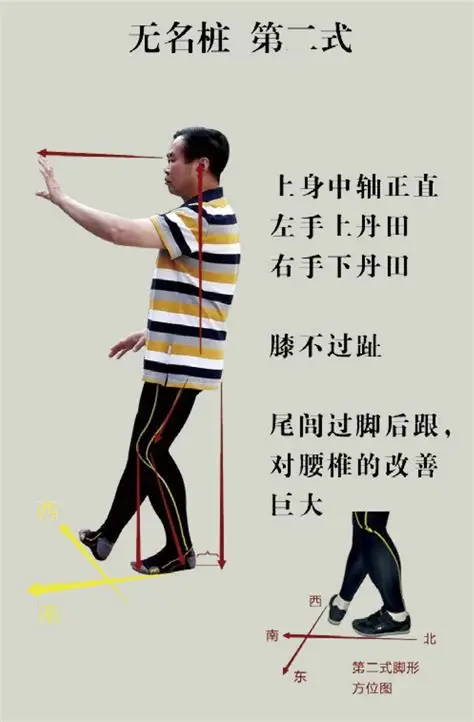
| Movement 2 | Basic Stance (Right Side) | Upper body axis straight. Left hand at Upper Dantian, Right hand at Lower Dantian. Right leg forms a 90-degree angle with the ground; Left foot slightly touches the ground. | Symmetrical balance, strengthening the lumbar spine (coccygeal end over heel). |
| Movement 3 | Single-Leg Lift (Left Side) | Bodily axis straight. Right hand at Upper Dantian. Left leg straightened, toes gripping the ground. Right knee lifted as high as possible, instep straightened. | Balance, strengthening tendons and fascia, challenging limits. |
| Movement 4 | Basic Stance (Right Side) | Same as Movement 1, but switching the active/passive legs and hands. (Note: The attachment suggests a slight variation from Mvt 3 to Mvt 4, bending the knees and keeping the tip of the hanging leg touching the ground). | Transition and structural refinement. |
| Movement 5 | Basic Stance (Left Side) | Same as Movement 2, but switching the active/passive legs and hands. | Symmetrical balance and core stability. |
| Movement 6 | Single-Leg Lift (Right Side) | Same as Movement 3, but switching the lifted leg. Left knee lifted as high as possible, right leg straightened. | Final balance and full-body engagement. |
The practice concludes with a simple closing sequence: rubbing the hands until warm, applying the warm hands to the face and cheeks, and gently patting the three Yin and three Yang meridians on the hands and feet.
C. The Unique Breathing Method
A critical component of the Unnamed Standing Pole is the use of Reverse Abdominal Breathing (逆腹式呼吸). This method is distinct from the more common natural abdominal breathing and is specifically employed to maximize the internal pressure and movement of Qi:
- Inhaling: The abdomen is drawn in, the chest is pushed out, and the anus is contracted (abstracted).
- Exhaling: The chest is lowered, the belly bulges, and the anus is loosened.
This deep, rhythmic breathing not only increases gastrointestinal peristalsis but also prompts a deep, internal movement of the organs. This process enhances the operational efficiency of the cerebral cortex, improves heart and lung function, and promotes the consumption of fat, thereby reducing the incidence of cardiovascular and cerebrovascular diseases.
IV. The Science of Stillness: Benefits and Mechanisms
The profound effects of Zhan Zhuang, and the Unnamed Standing Pole in particular, are increasingly being validated by modern scientific inquiry. The practice works on multiple levels—structural, energetic, and neurological—to restore the body’s innate capacity for self-regulation and healing.
A. Structural and Musculoskeletal Fortification
The sustained, isometric tension of the standing postures provides a unique form of strength training that goes beyond conventional exercise.
| Structural Benefit | Mechanism of Action | Scientific Relevance |
| Joint and Tendon Health | The postures regulate the 9 major joints and focus on extending the tendons on the internal and external sides of the legs. | Research shows Qigong can mitigate osteoporosis without the high-impact stress of running, and improves joint mobility [2]. |
| Fascia and Small Muscle Training | The Unnamed Pole specifically trains small muscles, fascia, and joints that are often neglected in daily life. | Fascia, the connective tissue network, is crucial for posture, pain management, and movement efficiency. Training it improves overall structural integrity. |
| Postural Control and Balance | The single-leg stances and the focus on the central axis significantly enhance static postural control. | Clinical trials confirm that Qigong programs improve muscle strength and postural control, which is vital for fall prevention in older adults [3]. |
| Spinal Health | The emphasis on keeping the bodily axis straight and the specific instruction for Movement 2 (“coccygeal end over heel”) greatly improves the lumbar vertebra. | Addresses common modern ailments like lumbar disease and cervical spondylosis by strengthening the deep core stabilizers. |
B. Energetic and Meridian Regulation
In the context of TCM, the Unnamed Standing Pole is a powerful tool for regulating the flow of Qi through the meridian system.
The practice is noted for its ability to regulate 20 meridians, including the three Yang and three Yin channels of the hand and foot, as well as the Eight Extra Meridians (Qi Jing Ba Mai, 奇经八脉). The Eight Extra Meridians are considered reservoirs of Qi and blood, governing the body’s deep energetic reserves. By improving their function, the practice directly enhances the body’s overall vitality and capacity for healing. Furthermore, the practice is known to open the Hui Yin acupoint (in the perineum), which is a critical gateway for dredging the meridians and circulating Qi [4].
C. Nervous System and Psychological Well-being
The profound stillness of Zhan Zhuang acts as a powerful modulator of the Autonomic Nervous System (ANS).
The sustained, mindful practice shifts the balance from sympathetic dominance (the “fight or flight” response, often overactive in modern life) to parasympathetic dominance (the “rest and digest” state) [5]. This shift is the physiological basis for the practice’s effectiveness in treating a wide range of stress-related and chronic conditions.
| Psychological/Neurological Benefit | Scientific Evidence | Clinical Application |
| Anxiety and Stress Reduction | Studies show Qigong can release anxiety, with measurable changes in EEG and Heart Rate Variability (HRV) signals, indicating improved autonomic health [6]. | Effective for treating insomnia, migraine, and general anxiety disorders. |
| Cognitive Function | The focus required for maintaining the posture and the deep breathing enhance the operational efficiency of the cerebral cortex. | Helps improve mental clarity and focus, beneficial for office workers and students. |
| Immunity and Healing | By promoting parasympathetic activity and increasing the sufficiency of Zheng Qi, the practice boosts the body’s immune function. | Clinical research indicates efficacy in treating conditions like asthma, pulmonary emphysema, chronic gastroenteritis, and supporting the physical recovery of cancer patients post-treatment [7]. |
V. The Practice of Perseverance: Cultivating the Internal Medicine
The true power of the Unnamed Standing Pole lies not just in its movements, but in the commitment to daily, persistent practice. The masters of this lineage emphasize that the practice is a form of internal cultivation that allows the body to access its own “great medicine.”
A. The Importance of Consistency
The six-minute duration is a strategic design to ensure consistency. It is a time commitment that is difficult to refuse, making the practice highly sustainable. The expected effects—such as the ability to ward off cold and dampness, and to resist temperature extremes—are not achieved overnight but are the cumulative result of daily, dedicated effort.
The practice is suitable for a wide range of people:
- Office Workers and Drivers: Those with limited time for physical exercise.
- Athletes and Soldiers: Those whose energy has been drained and require rapid, deep recuperation.
- The Elderly (above 65) and Patients: The duration can be reduced to 3 minutes (30 seconds per movement) to ensure appropriateness and safety.
B. The Closing Sequence: Integrating the Qi
The final steps of the practice are crucial for integrating the energy cultivated during the standing postures:
- Rubbing Hands: Generates heat and focuses the mind.
- Facial Rubbing: The warmth applied to the face and cheeks stimulates circulation and awakens the sensory organs.
- Patting Meridians: Gently patting the Yin and Yang meridians on the hands and feet helps to smooth the flow of Qi and blood throughout the limbs, ensuring a balanced and complete energetic circuit.
This simple closing sequence seals the benefits of the practice, leaving the practitioner feeling refreshed, grounded, and internally energized.
Conclusion: The Path to Profound Healing
The Unnamed Standing Pole (Wuming Zhan Zhuang) is a testament to the timeless wisdom of Yang-sheng, perfectly adapted for the modern world. It is a powerful, time-efficient practice that, in just six minutes a day, activates the body’s deepest healing mechanisms. By integrating structural alignment, reverse abdominal breathing, and focused stillness, it achieves the profound goals of Qigong: to clear the meridians, strengthen the internal organs, and ensure the sufficiency of Genuine Qi.
As a foundational practice for anyone interested in Daoist Qigong, the Unnamed Standing Pole offers a direct, accessible, and scientifically-supported path to enhanced vitality, resilience against disease, and a slower, more graceful aging process. It is an invitation to stand still, to cultivate the internal, and to discover the powerful, unnamed medicine that resides within.
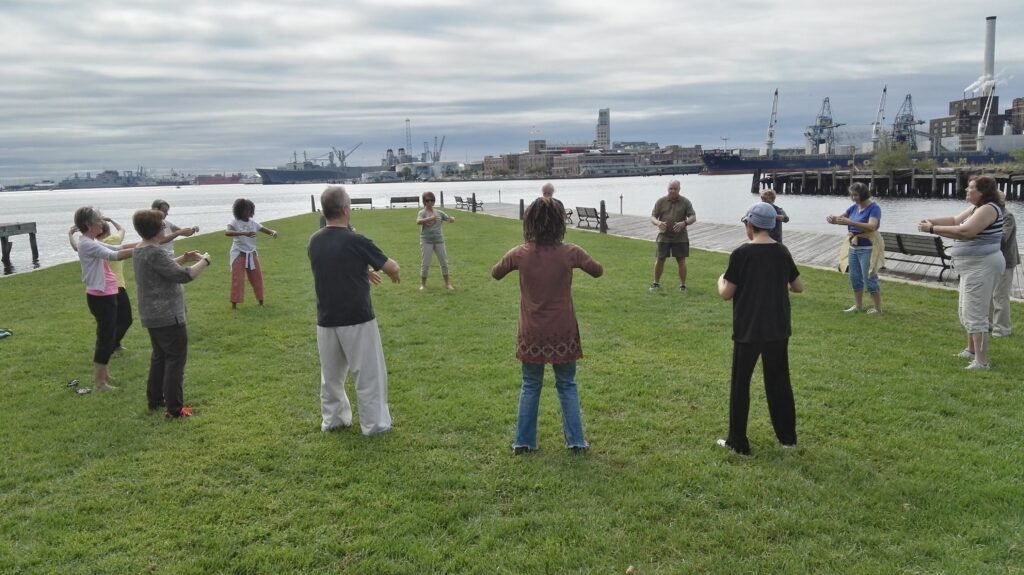
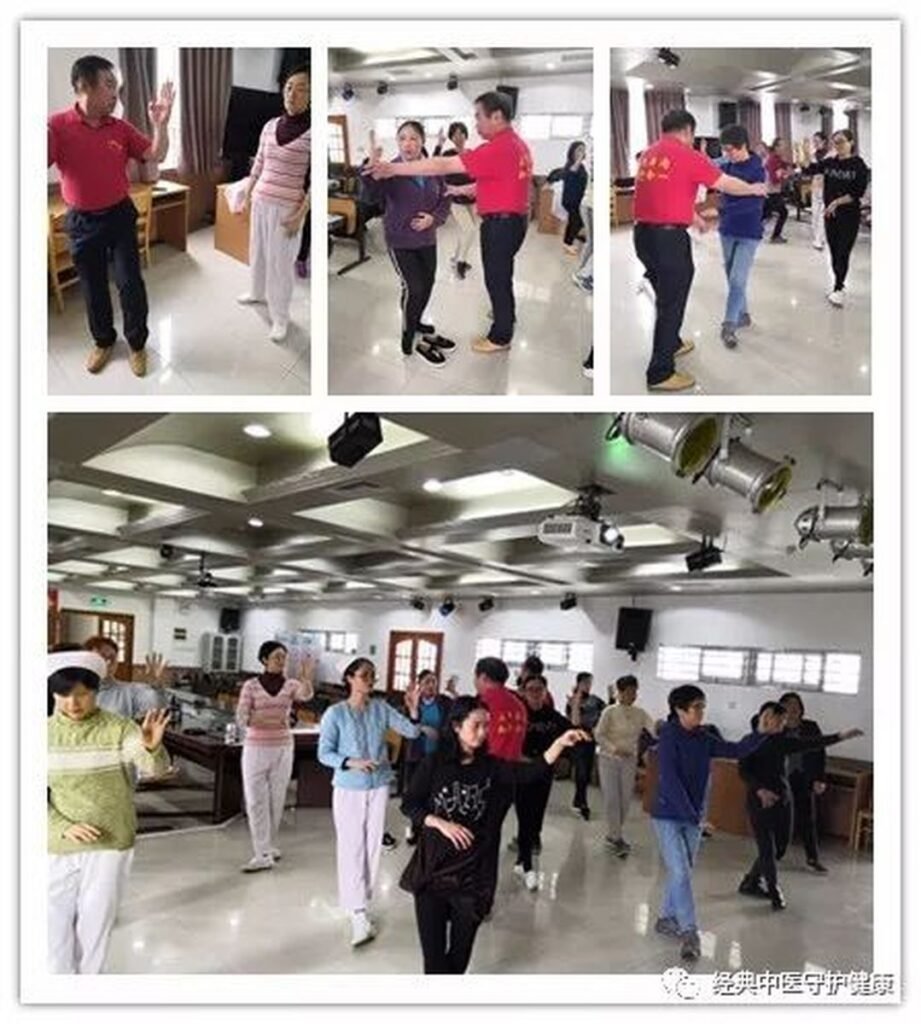
Come joining us on Sunday in Feburary, we are teaching and practicing “Unnamed Standing Pole” in our weekly Qigong for Health and Longevity classes: https://yang-sheng.com/?p=13015
References
[1] Scott Jeffrey. Zhan Zhuang: Standing Like a Tree to Cultivate Inner Energy. (2025). [URL: https://scottjeffrey.com/zhan-zhuang/]
[2] Y. J. Hilpisch. Zhan Zhuang (Standing Meditation). (2026). [URL: https://hilpisch.com/zhanzhuang.pdf]
[3] M. C. Carcelén-Fraile et al. Qigong for Muscle Strength and Static Postural Control in Middle-Aged and Older Postmenopausal Women: A Randomized Controlled Trial. Frontiers in Medicine. (2021). [URL: https://www.frontiersin.org/journals/medicine/articles/10.3389/fmed.2021.784320/full]
[4] Peter Caughey Qigong. How does Zhan Zhuang Qi Gong support your body, mind, and energy? (2026). [URL: https://www.facebook.com/petercaugheyqigong/posts/how-does-zhan-zhuang-qi-gong-support-your-body-mind-and-energy-zhan-zhuang-qi-go/1493826089413255/]
[5] Y. J. Hilpisch. Zhan Zhuang (Standing Meditation). (2026). [URL: https://hilpisch.com/zhanzhuang.pdf]
[6] J. Lyu et al. The effect of three-circle post standing (Zhanzhuang) qigong on the physical and psychological well-being of college students: Study protocol for a randomized controlled trial. Medicine (Baltimore). (2021). [URL: https://pmc.ncbi.nlm.nih.gov/articles/PMC8213330/]
[7] Tian Zhujun. Tian Zhujun and the Magical Unnamed Standing Pole. Sohu. (2017). [URL: https://www.sohu.com/a/211990109_721720]
For more information about our weekly Qigong for Health on Sunday morning, go to: