
Welcome back to our seasonal wellness practice. As the world outside quietens and turns inward, we are presented with a profound annual opportunity: the chance to build our foundational health from the ground up. Winter isn’t a void to be filled with waiting; it’s a fertile silence, a time for deep, intentional nourishment according to the ancient art of Traditional Chinese Medicine (TCM).
This guide is designed to be your most trusted resource. We’ll move beyond the basics (refer to previous blogs), weaving together the essential philosophy of Yang Sheng(养生) with a rich tapestry of practical, often overlooked techniques. Think of this not as a list of rules, but as a conversation with ancient wisdom, updated for our modern lives.

The Winter-Kidney Connection: Your Body’s Root System
Imagine your body as a great tree. The vibrant leaves and blossoms of spring and summer depend entirely on the hidden, deep-rooted strength of the system below ground during winter. In TCM, this root system is your Kidney energy.
The Kidneys are your reservoir of Jing(精), or Essence—your congenital vitality. They govern growth, reproduction, bone health, brain power, and willpower. Winter, belonging to the Water element, is their time to shine, to be replenished and secured.
The Yellow Emperor’s Inner Classic gives us the cardinal rule: “The three months of winter are called the period of closing and storing… Retire early and rise late… This is the way to care for the life-force in winter.”
Why the Kidney is the Focus of Winter?
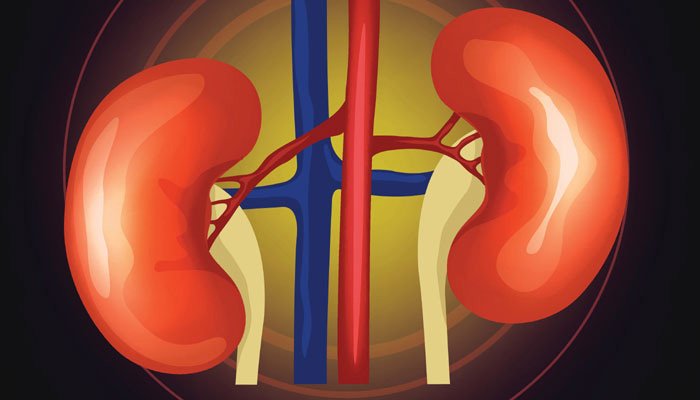
In TCM, the Kidneys are considered the “root of life” and the storehouse of your Jing(Essence). They govern growth, reproduction, bone health, brain function, and are the source of all Yin (cooling, nourishing) and Yang (warming, activating) energy in the body. Winter’s cold and inward nature corresponds directly to the Kidney system.
When Kidney Qi is strong, you feel resilient, warm, and vibrant. When it is deficient, you may experience:
- Kidney Yang Deficiency: Feeling chronically cold, especially in the lower back and knees, low energy, frequent urination, low libido.
- Kidney Yin Deficiency: Night sweats, dryness (e.g., dry mouth, dry skin), hot flashes, insomnia, and a feeling of restlessness.
Nourishing the Kidneys in winter is the best way to prevent these imbalances, boost your immunity, and ensure a smooth transition into the dynamic energy of spring.
When we honor this, we emerge in spring resilient and vibrant. When we ignore it—burning the midnight oil, exercising excessively, eating cold foods—we drain our reserves, leading to burnout, weakened immunity, and that familiar “spring fatigue.”

Your Multidimensional Winter Wellness Plan
Let’s translate this wisdom into a practical, layered approach.
I. The Winter Kitchen: Beyond Just “Warming Foods”
Your kitchen is your first line of defense. Winter eating is about bu(补), or tonification, but with nuance. The concept of “winter tonic” (冬补) is central. During this time, the body’s digestive fire is strong, making it ideal for absorbing deeply nourishing foods. The goal is to add warmth and build essence, not just calories.

- The Magic of Congee (Rice Porridge): This is the ultimate winter breakfast. Simmer rice in a large amount of water for hours until it breaks down into a creamy, easily digestible porridge. It’s the perfect vehicle for tonics:
- Kidney Yang Congee: Add walnuts, cinnamon bark (Rou Gui), and a few slices of ginger.
- Kidney Yin Congee: Add goji berries (Gou Qi Zi), black sesame seeds, and a sweet potato.
- The “Three Treasures” Broth: While bone broth is great, try a vegetarian version steeped in TCM wisdom. Simmer shiitake mushrooms (immune-building), dried goji berries (yin-nourishing), and a strip of kombu seaweed (mineral-rich, gently salty for the Kidneys) for a deeply savory, fortifying broth。
- Kidney Yang vs Kidney Yin
- For Kidney Yang (Warmth & Energy):
- Lamton / Mutton Hot Pot (羊肉火锅): A classic winter dish. Lamb is highly warming and strengthens the lower back.
- Walnut and Walnut Porridge (核桃粥): Walnuts tonify the Kidney Yang, warm the lungs, and benefit the brain.
- Ginger and Jujube Tea (姜枣茶): Simmer fresh ginger slices and red dates (jujubes) in water. This simple tea warms the middle, dispels cold, and nourishes the blood.
- For Kidney Yin (Moisture & Calm):
- Black Sesame Seeds (黑芝麻): Excellent for nourishing blood and essence. Toast and grind them to sprinkle on food or make sweet treats like black sesame balls.
- Goji Berries (枸杞子): Soak them in warm water to make a tea or add to soups and congee. They nourish Liver and Kidney Yin and brighten the eyes.
- Chinese Yam (山药): A superb food that tonifies both the Qi of the Lungs and Spleen and the Yin of the Kidneys. It is gentle and strengthening. Add it to soups or make yam porridge.
- For Kidney Yang (Warmth & Energy):
- Spice as Medicine: Don’t just cook with spices; understand their qi.
- Cinnamon (Rou Gui): Strongly warms Kidney Yang, ideal for those who are always cold.
- Fennel Seeds: Warms the middle and helps digestion, preventing stagnation from rich foods.
- Star Anise: Its warm, sweet nature comforts the middle Jiao(digestive system).

II. Movement as Medicine: The Art of “Storing” While Strengthening
Forget the “no pain, no gain” mentality. Winter movement should be like water—powerful but flowing, never forced.
- The 20-Minute Warm-Up Rule: Never stretch a cold muscle. In winter, your warm-up is your workout (such as meridian exercises). Spend 20 minutes on gentle, internal practices before any more vigorous activity.
- Qigong for the Kidneys: The Posture of Embracing the Tree (Zhan Zhuang): This is a cornerstone practice. Standing quietly, as if embracing a great tree, you build incredible internal warmth and strength in your legs and lower back—the very seat of Kidney energy. It teaches you to conserve energy while making it stronger. Of course, the practice of kidney-nourishing qigong will double the benefits in the winter season.
- The “Micro-Movements” of Daoist Yoga: Integrate subtle exercises into your day:
- Kidney Rub: Upon waking, rub your palms together to create heat, then place them over your lower back. Make small, circular motions, imagining you are polishing and warming your Kidneys.
- Ankle Rolls: While sitting, slowly rotate your ankles 10 times in each direction. This mobilizes the joints and stimulates the Kidney meridian that passes through the inner ankle.
- Striking the Heavenly Drum” (Ming Tian Gu): Tapping the back of the head to calm the spirit and benefit the ears.
- Walking Meditation: A gentle walk in nature, when the weather permits, especially on a sunny day, focusing on deep, abdominal breathing. This harmonizes the body with the season’s quiet energy.
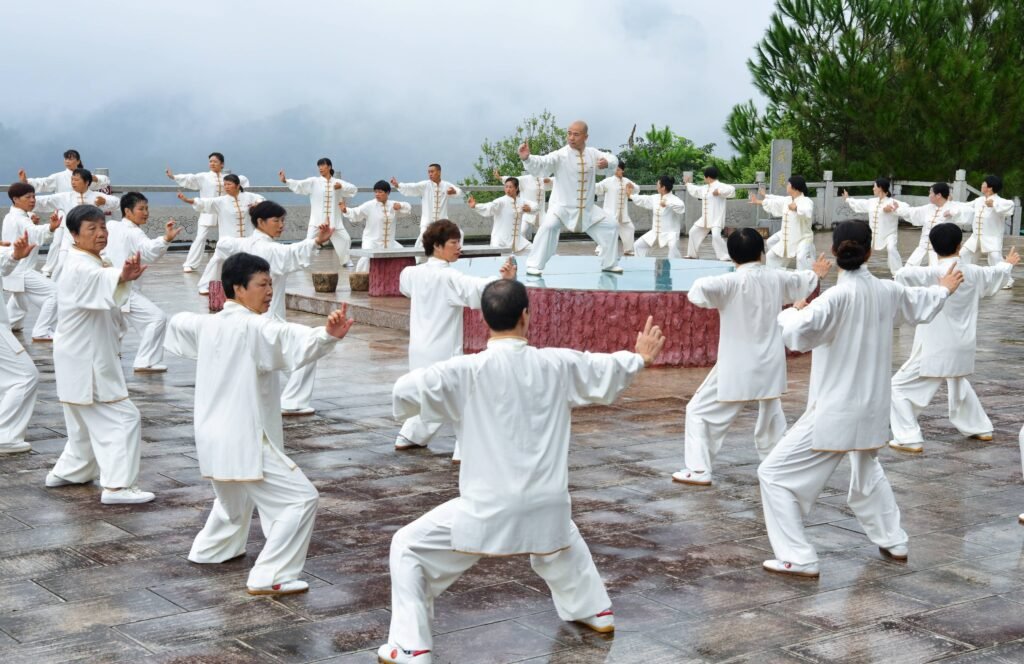
III. The Mind-Body Bridge: Cultivating Winter’s Quiet Power
Winter is the season of the Zhi (志), the willpower housed in the Kidneys. It’s not about forceful action, but about quiet, deep intention.
- The Practice of “Wei Qi” (卫气) – Defensive Qi Visualization: In TCM, your protective energy is called Wei Qi. During meditation, visualize a warm, golden light emanating from your lower back (your Kidneys) and spreading like a gentle, insulating blanket over your entire skin surface, protecting you from the external cold.
- Sound Healing: The “Chui” (吹) Sound: One of the Six Healing Sounds, the “Chui” sound is associated with the Kidneys. Sit comfortably, back straight. Exhale slowly while making a “choo-wee” sound (like the wind), imagining fear and anxiety leaving your body, and a deep, blue light filling your Kidneys. This is a powerful way to release the Kidney’s associated emotion—fear.
- Meditation and Quiet Sitting (静坐): Spend 15-20 minutes each day in quiet meditation. Focus on the lower abdomen (Dantian), visualizing a warm, dark, still pool of energy—like a deep well or a quiet, frozen lake. This gathers the spirit inward.
- Embrace the “Hygge” of the Neijing: The Danish concept of hygge (cozy contentment) has a direct parallel in the Neijing’s advice to “guard a secret.” Create a winter sanctuary at home: soft lighting, warm blankets, and time for reflection, reading, or gentle conversation. This isn’t laziness; it is a profound form of Shen(Spirit) nourishment.

IV. The “Three Nine” Days (三九天): Your Winter Wellness Sprint
The ancient Chinese calendar marks the three 9-day periods after the Winter Solstice as the coldest of the year. This is a critical time to double down on your practice.

- What it is: The 1st, 2nd, and 3rd “Nine” periods (roughly late December to mid-January).
- What to do: This is the prime time for Moxibustion. If you are going to use moxa all winter, be most consistent during these 27 days. Focus on points like Guanyuan (CV-4) on the lower abdomen to store essence, and Zusanli (ST-36) on the legs to build overall Qi. Shen que (CV-8) – effect: warm Yang and benefit qi, tonifying the kidney and spleen.
- Ignition of fire to the source: Acupressure Yong-quan — Every night before going to bed, wash the feet with warm water, sit cross-legged on the bed, one hand hold the toes, another hand pressure foot heart (Yong-quan point, KI-1), every time press down should feel the faint pain, until you feel warmth.
A Final Word & An Invitation to Practice Together
Winter wellness is a journey of gentle, consistent practice. It’s about listening to the deep wisdom of your body and aligning with the quiet, powerful rhythm of the season.
Each year, we explore these themes in our community, going deeper into the practices that make this philosophy come alive. If this guide has sparked your interest, we invite you to experience it directly.
Join us for our weekly exploration. Our Sunday Online Qigong for Health sessions (9:00 – 10:30 AM EST) are a dedicated space to learn these methods—from the precise movements of Kidney-strengthening Qigong forms to the subtleties of dietary advice and meditation—in a supportive, group setting.
Your first session is always free, with no obligation. It’s simply an opportunity to feel the difference these practices can make. You can register here: Dr. Chen’s Weekly Online Qigong for Health.
May this winter be your most nourishing yet.
