(Updated in October 2026)
As the first rays of sunlight filter through the ancient banyan trees in Bama Yao Autonomous County of China, 92-year-old Grandpa Wei stands with effortless grace, demonstrating the slow, deliberate movements of “Turtle Breathing Qigong.” “Practicing qi is more effective than eating ginseng,” he declares, his eyes sparkling with vitality as he completes a 7-second exhale that would challenge most 30-year-olds. This scene, repeated daily in one of the world’s certified longevity hotspots—where centenarians are 5.7 times more prevalent than the international standard—offers profound clues to the mysteries of healthy aging that modern science is just beginning to understand.
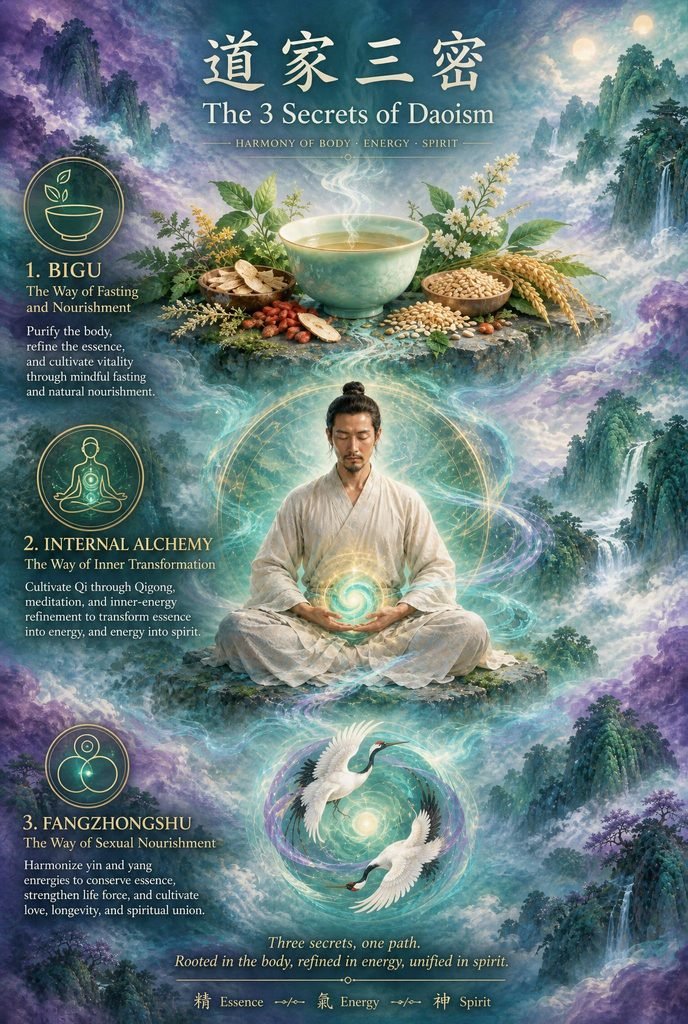
While genetics and diet certainly play roles in longevity, an increasing body of research suggests that the secrets to a long, healthy life may lie in three time-honored Daoist arts: Bigu (辟谷), the art of mindful fasting; internal alchemy through qigong (内丹), the cultivation of vital energy; and the often-misunderstood art of the bedchamber (房中术), the practice of preserving vitality through harmony and restraint. As we prepare to launch our October Longevity Qigong and Bigu (辟谷) program, let’s explore the scientific evidence and traditional wisdom that reveal how these practices can unlock your body’s natural capacity for vitality and longevity.

The Mind-Body Connection: Where Science Meets Tradition
Modern medicine has long recognized the detrimental effects of chronic stress on longevity, linking it to increased risk of cardiovascular disease, diabetes, and cognitive decline. What traditional Chinese medicine has understood for millennia—that emotional balance is foundational to physical health—is now being validated by cutting-edge research.
A groundbreaking 2023 study published in JAMA Network Open found that cancer patients participating in mind-body practices experienced 32% fewer hospitalizations and shorter stays when admitted, along with significant reductions in fatigue and depression . These findings align with ancient teachings about the “seven emotions” (joy, anger, sadness, fear, love, hatred, and desire) being root causes of disease when imbalanced. The practice of “xiu xin yang xing” (cultivating the mind and nurturing character) isn’t merely philosophical—it’s a biological necessity in our high-stress modern world.
In Bama, residents follow what they call the “Three-Three Principle”: three daily periods of gentle labor (each ≤1 hour) and three monthly mountain spring baths at precisely 38°C . This rhythm creates a natural stress-reduction framework that modern science confirms: regular moderate activity combined with intentional relaxation lowers cortisol levels, reduces inflammation, and promotes cellular repair mechanisms essential for healthy aging.

Explore the 3 Daoist Secrets for Longevity
Daoist has known as the longest living group around the world, as Daoist philosophy offers profound insights into achieving longevity, emphasizing harmony between body, mind, and spirit. Here are three essential techniques that can help cultivate a longer and healthier life:
1. Qigong: The Science of Vital Energy for Longevity
If mental cultivation provides the foundation, qigong serves as the structural framework for longevity. Defined as the systematic practice of breath regulation, movement, and meditation to cultivate and balance vital energy (“qi”), qigong’s benefits are now being quantified through rigorous clinical research.
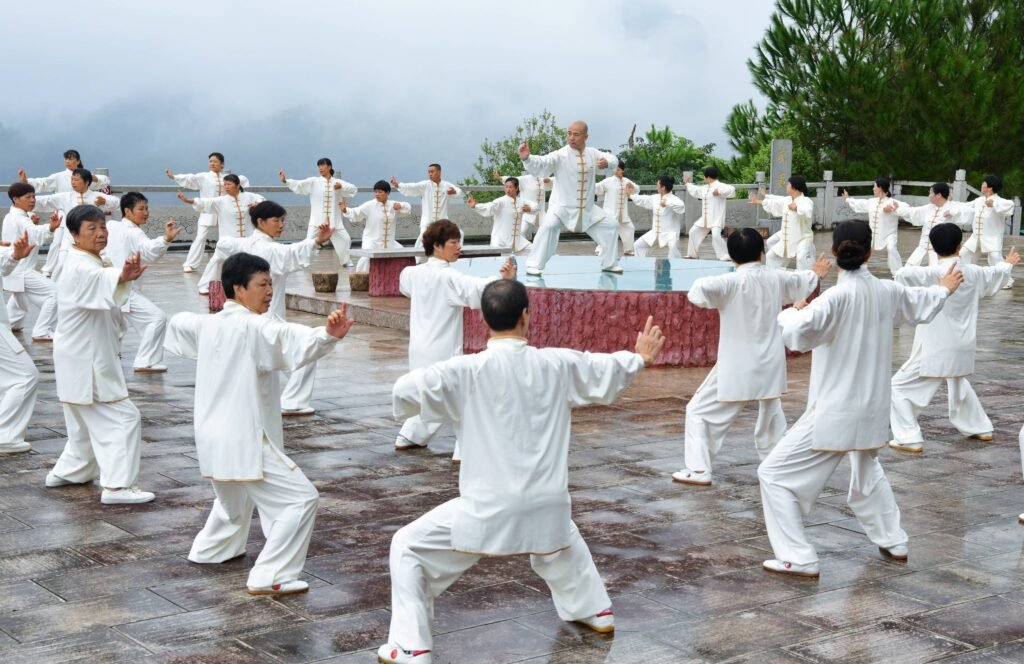
A 2024 study published in Complementary Therapies in Medicine on lung cancer survivors found that three months of Guolin Qigong practice significantly improved both upper and lower body strength, locomotor performance, and quality of life compared to usual care. Participants showed statistically significant improvements in chair stand tests (p=0.024), arm curl endurance (p=0.041), and agility measures (p=0.004), along with better sleep quality . Most remarkably, these benefits persisted 12 months after starting the practice, suggesting that qigong creates lasting physiological changes.
Even more compelling are findings from a 2024 systematic review in MDPI showing that qigong therapy produced statistically significant reductions in perceived stress (OR −0.60; 95% CI −1.02 to −0.17; p=0.006) compared to no treatment, with additional improvements in depression, anxiety, and quality of life measures . These improvements directly address major risk factors for age-related diseases worldwide.
The mechanisms behind these benefits are becoming clearer through modern research. Qigong’s slow, mindful movements improve circulation and lymphatic drainage, while its breathwork techniques enhance oxygenation and reduce sympathetic nervous system activation (the “fight-or-flight” response). Combined with its meditative aspects that calm the mind, qigong creates a holistic physiological environment conducive to longevity.

Behind qigong lies the deeper tradition of neidan (内丹), or Internal Alchemy—the classical art of refining jing (精, essence) into qi (气, vital energy), qi into shen (神, spirit), and shen back into emptiness, summarized in the canonical sequence 炼精化气,炼气化神,炼神还虚 (“refine essence to transform qi, refine qi to transform spirit, refine spirit to return to the void”). Qigong is the accessible, movement-based doorway into this ancient curriculum of 性命双修 (dual cultivation of body and mind).
The newest science is catching up with this old map. A 2025 randomized controlled trial in Age and Ageing followed 226 older cancer survivors through 16 weeks of Baduanjin qigong and found significant improvements in multidimensional frailty severity, physical performance, and quality of life—though frailty-reversal rates did not differ statistically from an active control group, a reminder that qigong works best as a sustained practice rather than a quick fix. At the cellular level, a 2025 systematic review and meta-analysis in Frontiers in Physiology reported that regular exercise significantly preserved telomere length (SMD 0.59, p = 0.01) and boosted telomerase activity (SMD 0.35, p < 0.00001), the very biomarkers of biological aging.
2. Bigu: Resetting Your Body’s Inner Ecosystem
While qigong lays the groundwork for energy cultivation, the ancient practice of bigu (energy fasting) offers a powerful reset for the body’s systems. Often misunderstood as simple starvation, scientific studies reveal bigu as a sophisticated method of metabolic optimization that complements qigong practice.
Research from the Chinese Medical Qigong Association published in the Journal of Alternative and Complementary Medicine shows that during properly conducted bigu, physiological indicators remain within normal ranges while immune function, endocrine regulation, and blood biochemistry show favorable changes. Clinical observations have documented benefits for conditions ranging from endocrine disorders and cardiovascular disease to obesity and certain cancers. Unlike conventional fasting, which can trigger stress responses, bigu—when practiced with qigong techniques—maintains energy levels while promoting “autophagy” (the body’s natural process of clearing damaged cells and toxins).
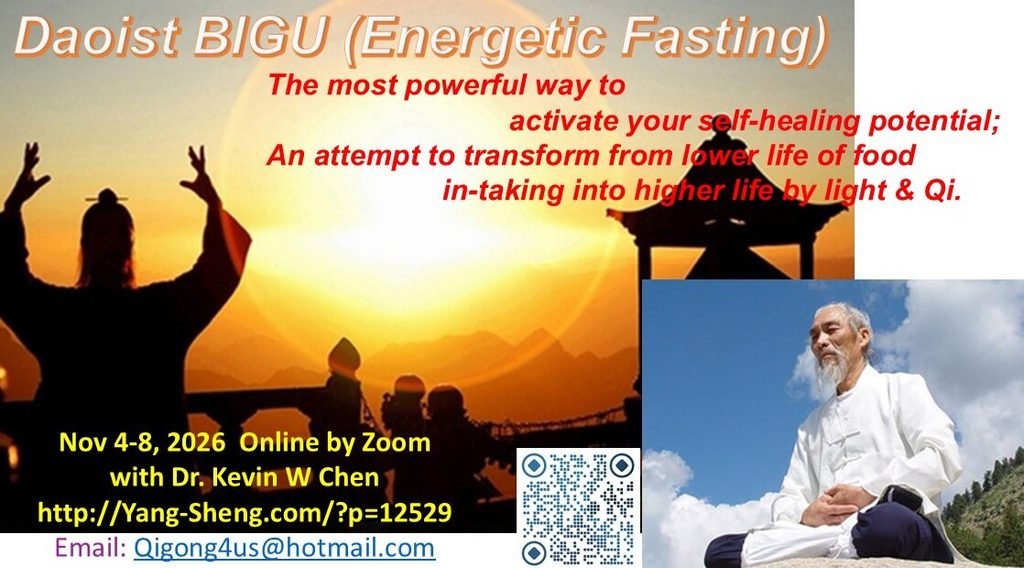
Dr. Song Tianbin, former director of Beijing University of Chinese Medicine’s Qigong Research Office, explains bigu as “mimicking animals’ hibernation state through breathwork practice to reduce metabolic rate, thus achieving health and longevity with minimal or no grain consumption”. This metabolic flexibility—being able to function optimally while reducing caloric intake—aligns with modern longevity research showing that controlled calorie restriction promotes healthy aging.
During bigu, the body shifts from carbohydrate metabolism to fat metabolism after 2-3 days, first consuming 血脂,then visceral fat, followed by subcutaneous fat—a process that naturally regulates weight while preserving muscle mass. Concurrently, white blood cell counts increase significantly, enhancing immune function to clear pathogens and abnormal cells. This dual action of detoxification and immune enhancement helps explain why bigu practitioners report improved energy, clearer skin, and reduced inflammation.

Modern fasting science is now quantifying what Daoist adepts have long described as 气满不思食 (“when qi is full, hunger naturally recedes”). A 2025 randomized controlled trial in Nature Communications followed 41 middle-aged adults with overweight through six months of intermittent fasting and found a mean 8% reduction in body weight, a 16% decrease in body fat, and significant improvements in non-HDL cholesterol and triglycerides—while fasting glucose, insulin, and blood pressure remained stable. These cardiometabolic shifts echo the metabolic flexibility that traditional bigu cultivates, giving ancient practice a modern evidence base.
For more information about our coming Bigu workshop, go to: https://yang-sheng.com/?p=12529
3. Sexual Alchemy (房中术): The Arts of the Bedchamber
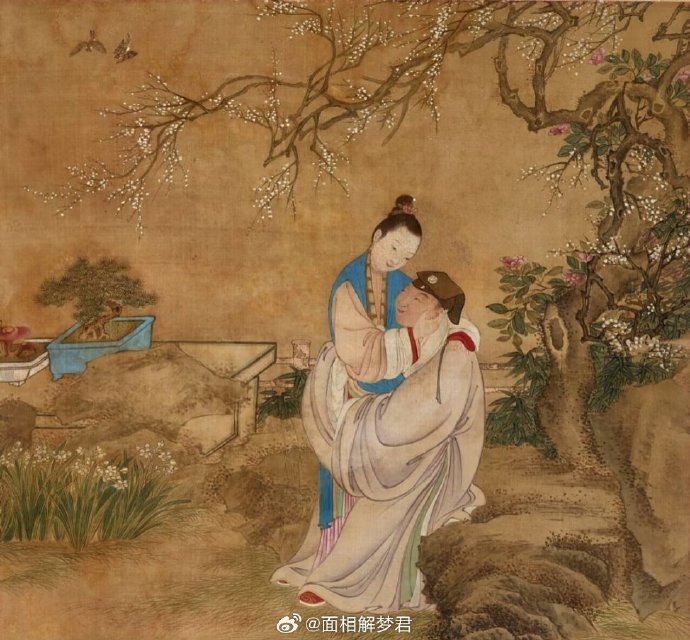
Daoism’s third great longevity art—fangzhongshu (房中术), the art of the bedchamber—is also its most misunderstood. Far from the exotic caricatures of popular culture, the classical tradition, from the Mawangdui silk manuscripts to the Huangdi Neijing, treats intimacy as a matter of health: harmonizing yin and yang (阴阳), nurturing jing (精), and guarding vitality through balance and restraint. Its guiding principle, 乐而有节、合而不伤 (“joy with moderation, union without harm”), and the ancient system of the “seven injuries and eight benefits” (七损八益) read like an early user’s manual for sexual wellness.
Modern science has reached a strikingly similar conclusion. Stable, affectionate relationships lower cortisol and raise oxytocin and endorphins, improving sleep, mood, and cardiovascular health—while chronic loneliness and relationship stress measurably accelerate biological aging. What Daoism contributes is a simple, radical idea: intimacy, practiced with awareness and mutual care, belongs on the longevity path alongside fasting and qigong, not apart from it. And the tradition is explicit about what it is not: classical texts never endorse the later myth of “harvesting” a partner’s essence; they consistently warn that greed, coercion, and excess harm both body and spirit.
By incorporating these Daoist techniques into your daily life, you can harmonize your physical, mental, and emotional well-being, paving the way for a longer, healthier existence.
Here is more information about our weekly Sunday Qigong for Health classes: https://yang-sheng.com/?p=13015

Practical Tips for Promoting Longevity
Incorporating longevity practices into your daily routine doesn’t require drastic changes. Based on scientific research and Bama’s traditional wisdom, here are actionable steps to start your journey:
1, 15-Minute Daily Qigong Micro-Practices
Even brief sessions yield benefits. Start with modified Turtle Breathing (5-second inhale, 3-second hold, 7-second exhale) while standing or seated. A 2024 study in Neurolaunch confirms that consistent short practices improve sleep quality and reduce stress markers as effectively as longer sessions when done daily . Morning practice activates your qi, while evening sessions promote relaxation.
2. Mindful Eating Rituals
Follow Bama’s example by slowing meals to 20+ minutes, chewing thoroughly, and avoiding distractions. Research from Pritikin Institute shows this enhances digestion by allowing proper enzyme activation and improves nutrient absorption by up to 30% . Before eating, take three deep breaths to activate your parasympathetic nervous system—the “rest and digest” mode essential for optimal nutrient processing.
3. Stress-Resilient Breathing
When facing daily stressors, practice the 4-7-8 technique (inhale 4 counts, hold 7, exhale 8) to quickly lower cortisol levels. A 2024 MDPI systematic review confirms qigong breathing techniques significantly reduce perceived stress and anxiety through modulation of the autonomic nervous system . Set phone reminders to practice during high-stress times like morning commutes or work deadlines.

4. Nature Connection & Gentle Movement
Emulate Bama residents’ daily 8-kilometer walks by incorporating 30 minutes of outdoor walking into your routine, ideally in natural settings . Combine with walking qigong techniques developed by Master Guo Lin, which research in Qigong Chinese Health shows improves circulation and immune function . Even brief exposure to nature reduces stress hormones and enhances mental clarity.
5. Cultivate Social Connections
The WHO’s 2025 Commission on Social Connection reports that strong social bonds reduce early death risk by 50%—equivalent to quitting smoking . Join our qigong community sessions to build relationships while practicing. Schedule regular in-person interactions, as digital communication alone doesn’t provide the same health benefits.
6. Cultivate an Openness and Let-Go Mindset
One of the most important factors for longevity is cultivating an openness and let-go mindset. Embracing change and letting go of past grievances can significantly reduce stress and promote emotional well-being. Practicing gratitude and focusing on the present moment can enhance your overall outlook on life, fostering resilience against the challenges of aging. By adopting an attitude of acceptance and flexibility, you create a mental environment that supports both physical health and longevity.

Bridging Ancient Wisdom and Modern Science

The convergence of traditional practice and scientific validation is particularly evident in Bama’s longevity phenomenon. The same “Turtle Breathing” technique practiced by Grandpa Wei aligns with modern respiratory research showing that extended exhalation activates the parasympathetic nervous system, reducing stress and inflammation.
Bama residents’ lifestyle demonstrates what research is confirming: longevity isn’t about extreme measures but about consistent, balanced practices that harmonize mind, body, and energy. A 2024 mixed-method randomized controlled trial in SAGE Journals found that Guolin Qigong significantly reduced cancer-related fatigue and improved sleep quality by regulating cortisol levels—a key stress hormone linked to accelerated aging .
The scientific community is increasingly recognizing these connections. A 2023 JAMA Network Open trial found that mind-body practices including qigong not only reduced treatment-related symptoms in cancer patients but also decreased hospitalizations—a finding that speaks to their profound impact on overall resilience . Similarly, Shanghai University of Traditional Chinese Medicine’s animal studies show that bigu practices improve glucose regulation and protect against cardiovascular and metabolic diseases—key pillars of healthy aging.
Begin Your Longevity Journey This October
The cumulative evidence points to a clear conclusion: the ancient practices of qigong and bigu offer scientifically validated pathways to enhanced longevity and quality of life. This October, we’re opening enrollment for our exclusive Longevity Qigong & Bigu Program, designed to teach you these powerful techniques in a structured, supportive environment.
Our program builds on the foundations of traditional practice while incorporating modern safety guidelines and personalized instruction. Whether you’re new to mind-body practices or have experience, our expert instructors will guide you through:
- Foundational qigong movements tailored for longevity, including modified versions of Bama’s famous turtle breathing, and treasure-bottle breathing;
- Centenarian In-bed Health Exercises for Longevity
- The 13 Health-Preserving Techniques by Simiao SUN
- Mindfulness techniques to cultivate the emotional balance critical for healthy aging
Participants will learn to harness the same principles that have sustained the centenarians for generations, adapted for modern lifestyles. Imagine starting each day with energy-boosting qigong sequences, developing metabolic flexibility through guided bigu, and cultivating the mental clarity that comes from reduced stress and improved circulation.
The research is clear: consistent qigong practice improves cardiovascular health, enhances physical function, and boosts quality of life. Combined with properly conducted bigu, these practices create a powerful synergy for longevity that addresses the root causes of aging rather than just its symptoms.

Feel free to join us online at any Sunday from 9 to 10:30am at Zoom platform (The first section is free trial): https://us02web.zoom.us/meeting/register/tJ0ucuysrzgoHNS6oLKIzrartSZJMQE97b19
Your journey to greater vitality and longevity begins not with a miracle pill or extreme diet, but with simple, consistent practices that have stood the test of time and scientific scrutiny. Join us this September to unlock your body’s natural capacity for health and longevity through the transformative power of qigong and bigu.
Note: As with any health program, consult your healthcare provider before beginning qigong or bigu practices, especially if you have pre-existing medical conditions or are taking medication.
Selected References:
- Xing, R., Wang, R., Zopf, E. M. et al. (2024). Effects of qigong exercise on physical fitness and patient-reported health outcomes in lung cancer survivors. Support Care Cancer, 32, 99. https://doi.org/10.1007/s00520-023-08296-z
- MDPI. (2024). Qigong Therapy for Stress Management: A Systematic Review of Randomized Controlled Trials. MDPI Journal of Clinical Medicine, 12(23), 2342. https://www.mdpi.com/2227-9032/12/23/2342
- World Health Organization. (2025). Social connection linked to improved health and reduced risk of early death. https://www.who.int/news/item/30-06-2025-social-connection-linked-to-improved-health-and-reduced-risk-of-early-death/
- World Health Organization. (2025). From loneliness to social connection: charting a path to healthier societies. https://www.who.int/publications/i/item/978240112360/
- Sage Journals. (2024). Exploring Guolin Qigong (Mind-Body Exercise) for Improving Cancer Related Fatigue in Cancer Survivors: A Mixed Method Randomized Controlled Trial Protocol. https://journals.sagepub.com/doi/full/10.1177/15347354241252698
- SSRN. (2018). Long-Term Extreme Fasting Following a Traditional Chinese ‘Bigu’ Regimen: A Preliminary Retrospective and Prospective Cohort Study. https://papers.ssrn.com/sol3/papers.cfm?abstract_id=3237012
- Neurolaunch. (2024). Qigong for Sleep: Ancient Practices for Modern Insomnia Relief. https://neurolaunch.com/qigong-for-sleep/
- JAMA Network Open. (2023). Mind-body practices reduce hospitalizations and improve quality of life in cancer patients. https://jamanetwork.com/journals/jamanetworkopen
- Sage Journals. (n.d.). Studies on the Fundamental Theory of Bigu (Food Abstinence)—Preliminary Experimental Observations of Cellular Bigu. https://journals.sagepub.com/doi/abs/10.1177/027046702236892
- Falshaw N, Sagner M and Siow RC (2024) The Longevity Med Summit: insights on healthspan from cell to society. Front. Aging 5:1417455. https://www.frontiersin.org/journals/aging/articles/10.3389/fragi.2024.1417455/full
- National Academy of Medicine; Commission for a Global Roadmap for Healthy Longevity (2022)
- Cheung, D. S. T., Chan, W. L., Chau, P. H., et al. (2025). The effect of qigong on frailty in older cancer survivors: a randomised controlled trial. Age and Ageing, 54(7), afaf184. https://doi.org/10.1093/ageing/afaf184
- Sun, L., Zhang, T., Luo, L., et al. (2025). Exercise delays aging: evidence from telomeres and telomerase: a systematic review and meta-analysis of randomized controlled trials. Frontiers in Physiology, 16, 1627292. https://doi.org/10.3389/fphys.2025.1627292
- Barve, R. A., Veronese, N., Bertozzi, B., et al. (2025). Cardiometabolic and molecular adaptations to 6-month intermittent fasting in middle-aged men and women with overweight: secondary outcomes of a randomized controlled trial. Nature Communications, 16(1), 11370. https://doi.org/10.1038/s41467-025-66366-8